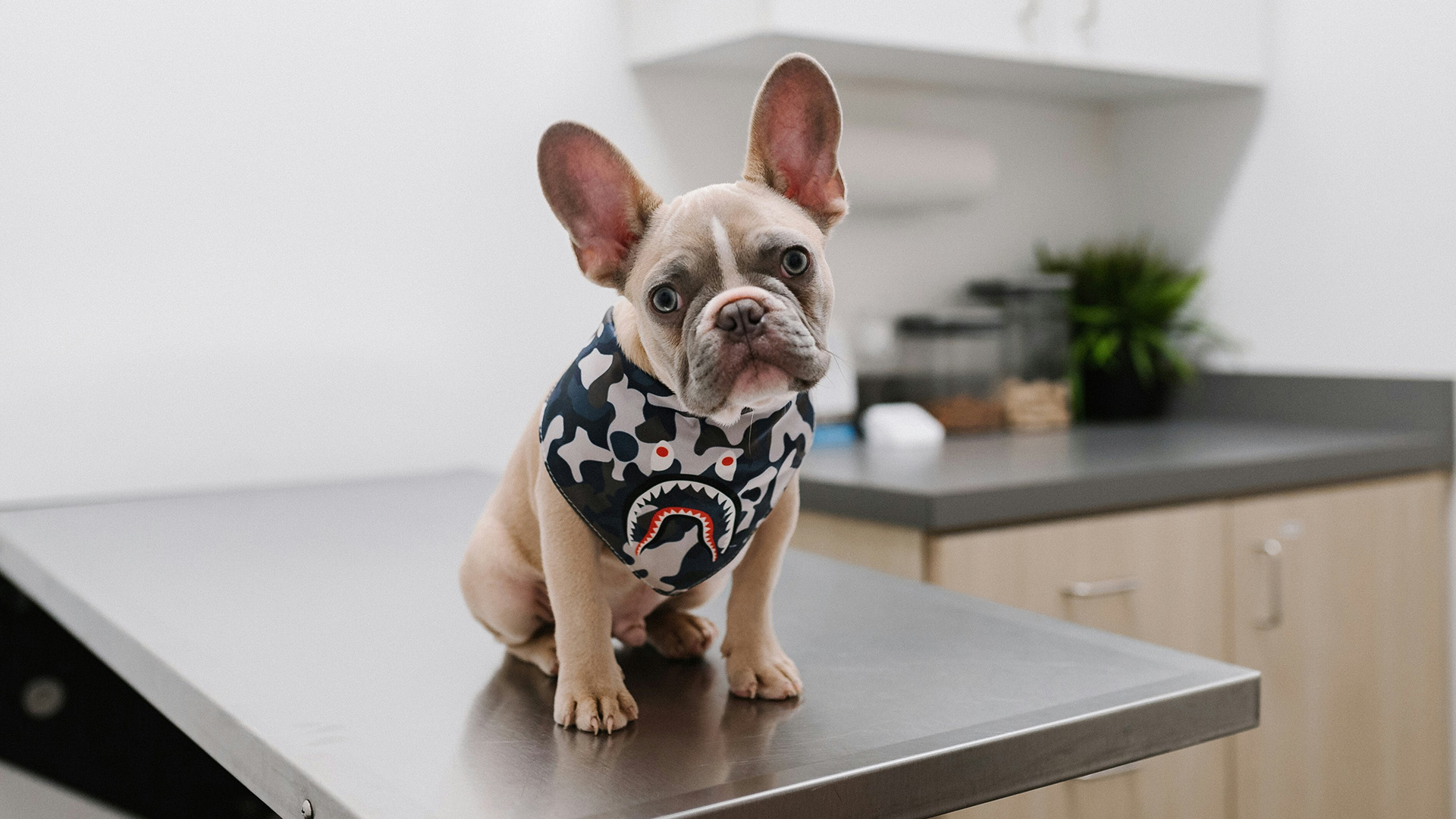
Puppy vaccines and deworming are essential components of preventive healthcare for dogs. They help protect puppies from infectious diseases and parasites that pose serious health risks.
The Importance of Regularly Scheduled Vaccines and Deworming
- Disease Prevention:
Vaccinations protect puppies from potentially deadly diseases, providing immunity against specific viruses. - Public Health:
Rabies vaccination is essential for public safety, as rabies is zoonotic and can be transmitted to humans. - Parasite Control:
Deworming helps control and eliminate internal parasites, ensuring the puppy’s overall health. - Preventive Care:
Vaccinations and deworming are critical components of preventive veterinary care, promoting a lifetime of good health for the dog.
Puppy Vaccines & Deworming
Following a veterinarian’s recommended vaccination and deworming schedule is crucial to ensure optimal protection for your puppy. Regular veterinary checkups and discussions with your veterinarian help tailor the preventive care plan to your puppy’s specific needs. Here’s an overview of each type:
1. Vaccines:
Distemper
- A highly contagious viral disease affecting the respiratory, gastrointestinal, and nervous systems.
- Can be fatal, especially in young puppies.
- Symptoms: Symptoms include fever, coughing, nasal discharge, vomiting,\
and neurological signs.
Parvovirus
- Causes severe gastrointestinal symptoms, including vomiting, diarrhea, and dehydration.
- Highly contagious and can be life-threatening, especially in young and unvaccinated puppies.
Canine Adenovirus (Hepatitis)
- A viral infection that affects the liver and other organs.
- Symptoms: Symptoms include fever, lethargy, abdominal pain, and respiratory distress.
Canine Parainfluenza
- A respiratory virus that contributes to kennel cough.
- Symptoms: Symptoms include coughing, nasal discharge, and respiratory distress.
Rabies
- A deadly viral disease that affects the nervous system.
- Transmitted through the bite of an infected animal, including wild mammals.
- Vaccination is crucial for public health, and it’s often required by law.
2. Deworming
Roundworms:
- Common intestinal parasites that can affect a puppy’s growth and development.
- Transmitted through ingestion of contaminated feces or soil.
Hookworms:
- Parasites that attach to the lining of the intestines and feed on blood.
- Can cause anemia, weakness, and digestive issues.
Tapeworms:
- Flatworms can cause weight loss, abdominal discomfort, and anal irritation.
- Often transmitted through the ingestion of infected fleas or small mammals.
Whipworms:
- Parasites that inhabit the cecum and colon can cause diarrhea and weight loss.
- Transmission occurs through ingestion of contaminated soil.\
What Vaccines Are Recommended and When
The specific vaccines needed for dogs from birth onward can vary based on factors such as the dog’s age, lifestyle, and geographic location. However, here is a general guideline for core vaccines commonly recommended for dogs:
1. Puppy Vaccines:
6-8 Weeks
- Distemper, Hepatitis, Parvovirus (DHPP): Protects against several common and potentially deadly viruses.
- Canine Parainfluenza: A component of the kennel cough complex.
- Bordetella: Helps prevent kennel cough, which is highly contagious.
10-12 Weeks
- DHPP Booster: Reinforces protection against distemper, hepatitis, and parvovirus.
- Rabies: Protects against rabies, a viral disease that affects the nervous system.
14-16 Weeks:
- DHPP Booster: Another booster to ensure continued immunity.
2. Adult Dog Vaccines:
1 Year (or as advised by your veterinarian)
- DHPP and Rabies Boosters: Ongoing boosters to maintain immunity.
Every 1-3 Years (or as advised by your veterinarian)
- DHPP: Regular boosters to protect against distemper, hepatitis, parvovirus, and parainfluenza.
- Rabies: Comply with local regulations and veterinary recommendations for rabies boosters.
Optional Vaccines
- Leptospirosis: Depending on the dog’s lifestyle and geographic location.
- Canine Influenza: Especially true for dogs at risk of exposure, such as those in group settings.
- Lyme Disease: If the dog is in an area where Lyme disease is prevalent.
Please note: This schedule does not replace the advice of your veterinarian, nor is it intended as a substitution and is provided solely as a general guideline. It’s important to note that the vaccination schedule may vary, and your veterinarian will tailor the vaccine protocol based on factors like your dog’s health, lifestyle, and local disease prevalence. Additionally, some vaccines, such as DHPP, are often administered as a combination vaccine to reduce the number of injections.
Regular veterinary checkups and discussions with your veterinarian will help ensure your dog receives the appropriate vaccinations for their needs.
Puppies.com is your trusted puppy platform for Paws-itive Puppy Love! Since 2003, Puppies.com has helped millions of puppies find their fur-ever homes from sellers nationwide. Finding your perfect pup is free and easy–and signing up only takes a few minutes. Add a little wiggle to your life!®