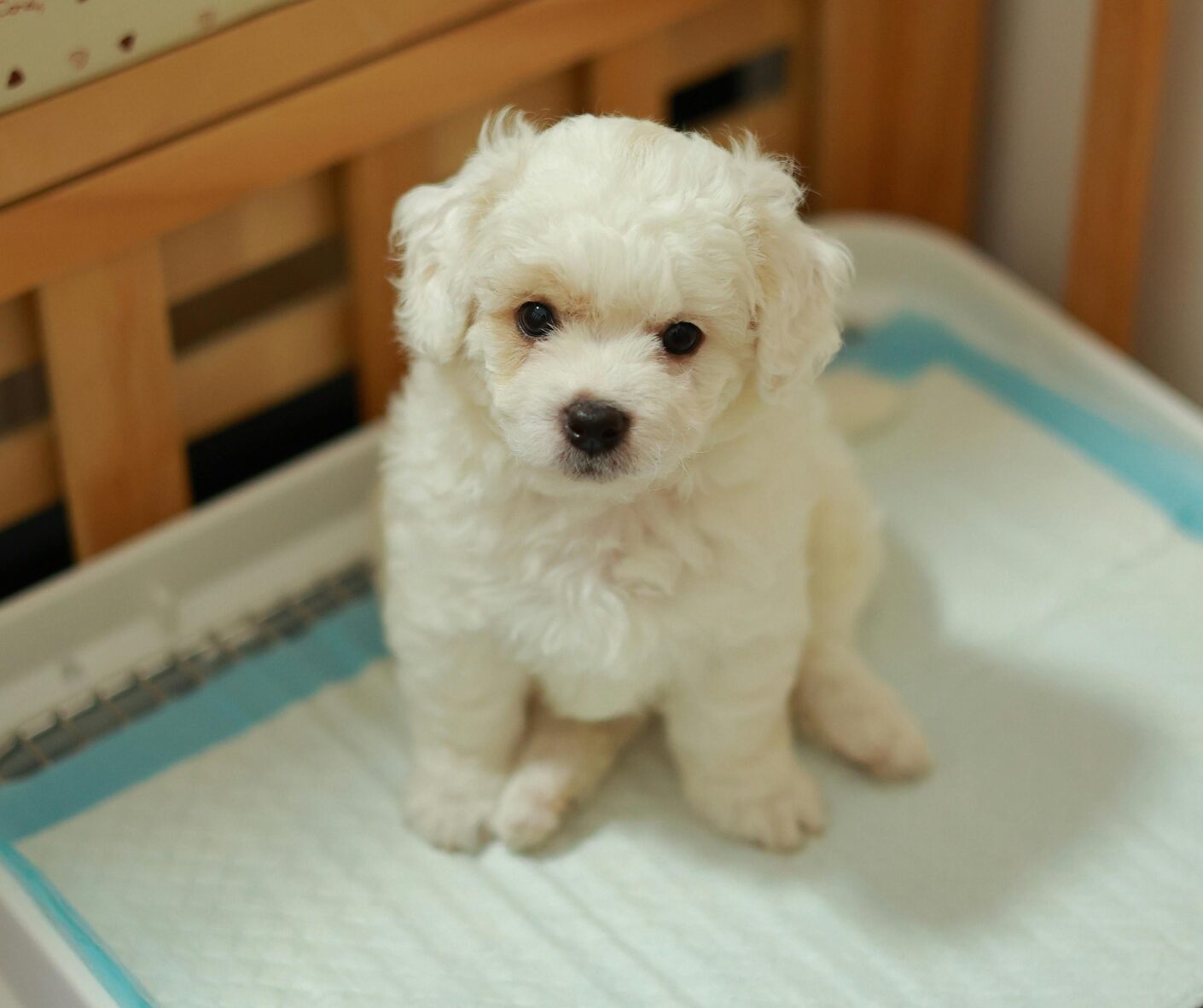
Doggy Potty Pads: Sometimes Useful and Sometimes Harmful
Many pet stores sell doggy potty pads, and these pads are marketed as useful tools for either potty training your puppy or allowing your dog to bathroom inside your home when needed. Although potty pads can be useful in some situations, they can also backfire really badly and result in your dog continuing to use your home like a bathroom even after you stop using the pads. But why?
The problem: Potty pads can teach your dog to permanently pee inside
Many dog owners start using potty pads with puppies or young dogs because the owners work outside of the home and therefore need to leave the puppy home alone for longer than the puppy can reasonably hold their bladder. For example, a young puppy might only be able to hold their bladder for 1-2 hrs at a time, whereas many owners work 8 hours per day. Some people will try to solve this conundrum by using potty pads, which can allow the puppy to relieve its bladder inside the home without the need for the owner to return home and let the puppy outside. In these cases, the owners plan to get rid of the pads in the future when the puppy is old enough to hold their bladder for long enough duration. Sounds useful, right? And it can be… until it all backfires.
The issue occurs when the owners try to stop using the pads. This is because owners think that the puppy has learned to potty on the pad. In scientific terms, this would mean that the pads have “control” over the pottying behavior. If this is true, then the dog should no longer potty inside when the pads are removed. In actuality, the puppy has likely learned many environmental cues that control the pottying behavior.
For example, I once had a client who trained their puppy to pee on a potty pad right inside their foyer about 2 feet from the front door and right next to the coat rack. They were quite upset when they stopped putting out the potty pads when the dog was old enough to hold its bladder, and yet their young dog continued peeing in the same spot where the pad used to be.
This is because the puppy had learned that pottying should happen in the foyer, about 2 feet from the front door, and right next to the coat rack; the pup didn’t make the connection that the potty pad was the only proper place to piddle! And this is a significant problem, because now you have a puppy who has several weeks or even months of experience pottying in that contact, and that can be a very tough behavior to change! Instead, it is ideal to potty-train a puppy to go outside to the bathroom right from the start, even though this can be very challenging for working families.
There are some situations potty pads can be helpful
Potty pads actually can be extremely useful, but only in a very small handful of specific situations. Generally, pads are most useful if they are either extremely temporary or quite permanent.
Medical issues: If you have a dog who is medically unable to hold their bladder (e.g., has a leaky bladder, potties in their sleep, or just can’t control their bowels) or just had surgery restricting their ability to get up and go outside, you can put potty pads under your dog’s resting spot to save your floors. In this instance, the dog is unlikely to learn anything about the potty pads and can’t hold their bladder anyways.
Elderly dogs: If you have an elderly dog who has trouble getting outside and will likely need to use the pads for the rest of their life, that’s a great use of potty pads, as you’ll never be in a situation where you want to remove the pads yet the behavior stubbornly remains.
Living restrictions require permanent pad use or you’re ok with permanent pad use: Maybe you feel badly that your dog has to hold their bladder while you’re at work, or perhaps you live in a high-rise apartment building and have trouble getting outside quickly enough for your dog to relieve themselves. In cases like this, you may want something like a potty pad to be a permanent fixture in your home (or better yet, outside on a deck), which can be a great solution for your setup! Some better long-term options than potty pads can include artificial turf or mesh with built-in drainage systems or even subscription services which ship disposable, real turf grass patches to your home. Both of these options can be more sanitary and potentially less wasteful than potty pads themselves.
Your dog is already pottying inside your house and you need to protect your floor: Perhaps your pup already has some bad indoor potty habits; in that case, a potty pad can help protect an area on your floor from urine. However, it is probably even more ideal to keep your dog away from that part of the house entirely while you tightly control their roaming while you work on reinforcing bathrooming behaviors outside. Using potty pads in this situation should only be used as a last resort, as it doesn’t replace the problem behavior with a desired behavior and is unlikely to solve the problem long-term.
You are moving soon: I suppose it could be feasible to stop using pads when you move from one home to another, given that many of the environmental stimuli controlling your dog’s pottying behavior may change. However, keep in mind that your dog’s behavior may be under control of general variables which may be present in your next house, such as rugs, doors, or specific furniture items, and thus they may still potty inside in the next house even without the potty pads.
You are raising litters of puppies: Extremely young puppies really can’t control their bladders, and so they poop and pee everywhere. In order to keep the whelping space clean, breeders will often use potty pads for several weeks for very young puppies, but the use of the pads should not transition into the puppy’s new home.
Conclusion
Unless your dog has major medical needs or you plan to have your dog continue to potty inside your home for the rest of their life, it’s probably best to avoid using potty pads altogether. If it’s any consolation, they’re only puppies for a few months, and the pain of teaching your pup to bathroom outside will be richly rewarded on the day they are polite and trained enough to relieve themselves outside of your beautiful, clean home.
Other Blog Articles You Might Enjoy
Unlocking Freedom: Safely Leaving Your Potty-Trained Puppy Home Alone
Mastering Puppy Independence: Can I Leave My New Puppy Home Alone?
Puppies.com is your trusted puppy platform for Paws-itive Puppy Love! Since 2003, Puppies.com has helped millions of puppies find their fur-ever homes from sellers nationwide. Finding your perfect pup is free and easy–and signing up only takes a few minutes.
Add a little wiggle to your life!®