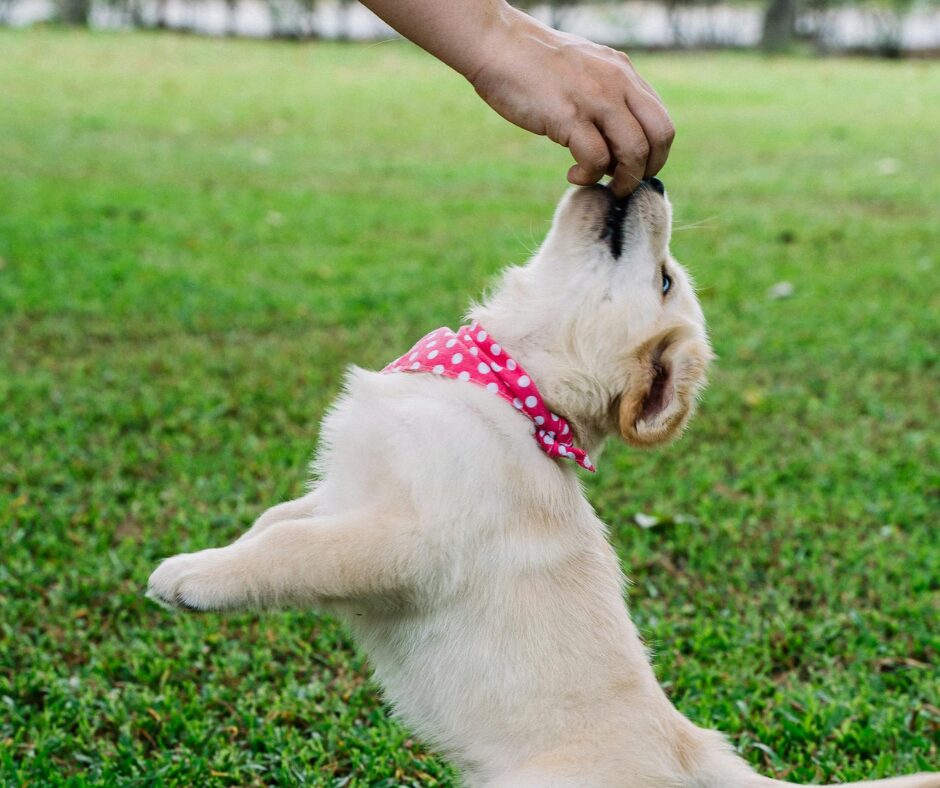
Bringing home a new puppy is an exciting milestone, but it can also feel overwhelming—especially for first-time puppy parents. From stocking up on supplies to navigating potty training, obedience training, and daily routines, there’s a lot to learn in a short amount of time. Puppies arrive as blank slates, relying on consistent guidance to learn good behavior and become well-mannered members of the household. While some habits develop naturally, most puppies need structured training and repetition, particularly during the critical first few months after coming home. Establishing a clear puppy training routine early helps build positive behaviors, strengthens your bond, and sets the foundation for long-term success.
Why Is a Puppy Training Routine Important?
A puppy training routine is important because it helps puppies learn expectations, build good habits, and feel secure in their new environment. Consistent routines support potty training, obedience training, and behavior development while strengthening the bond between puppies and their owners. Starting a training routine early sets the foundation for long-term success and positive behavior as puppies grow.
The first few weeks with a new puppy are a critical learning period that shapes behavior well into adulthood. A consistent puppy training routine helps reinforce positive habits like potty training, leash manners, and basic obedience while preventing common challenges such as chewing, jumping, and excessive barking.
Short, frequent training sessions paired with predictable daily schedules allow puppies to learn faster and feel more secure in their environment. By focusing on routine, structure, and positive reinforcement, puppy parents can support healthy development and reduce stress for both themselves and their pup.
Training is Invaluable
Sure, it’s nice to have the dog with behaviors we can show off to our friends; who doesn’t love to show off a well-trained “take a bow” or “play dead”? But there are so many other important things for your puppy to learn. For example, high-quality training can improve your ability to communicate with your dog, which can only increase the quality of life and improve the relationship for both of you.
Good training also allows you to keep your dog safer; for example, teaching a solid recall ensures your dog’s ability to avoid trouble and return to safety. Training also increases your dog’s comfort with necessary activities, such as crating during travel, receiving medical care, getting their nails trimmed, and other basic life activities which are often aversive to our dogs. For example, a recent study showed that owners can teach their dogs to cooperate with getting their ears cleaned. Specifically, the study taught owners how train their dogs to rest their chin on a mat while the owner cleaned the dogs’ ears. Imagine if you didn’t have to struggle to give your dog their medications, baths, nail trims, and other necessary care activities – what a relief for both of you!
Training Should Be Short and Sweet
We get this question a lot! There aren’t really good data for how often or long to train your new pup. What we do know is that puppies start with a very short attention span and very little frustration tolerance. Therefore, keep your initial training sessions extremely brief and highly engaging—maybe only 1-2 minutes, with lots of reinforcement. This allows your puppy to learn that training is fun (not boring!) and lets you slowly increase the session length over time. And don’t stop at one training session per day; you can train multiple brief sessions throughout the day! Just make sure you train while your pup has lots of energy and isn’t in toddler tantrum mode, which could make training a nightmare for both of you. And if you find that you’re the one getting frustrated, don’t worry – that’s normal! Just take a break and regroup.
How to Fit Training Into Your Busy Life
Training doesn’t have to be a chore. Think of it like a quick meditation break! Here’s how to set yourself up for success:
- Clear Your Plate: Try to reduce other responsibilities during the first few months.
- Schedule It: If it’s on your calendar, it’s real.
- Keep it Brief: Sessions should be 1-2 minutes. You can do this while the coffee is brewing.
- Have a Plan: Don’t wait until you’re holding a treat to decide what to teach.
- Management is great! Not every behavior needs to be addressed through training. Sometimes you can save yourself the hassle by just managing the behavior through baby gates, crates, putting chewable items away, etc.
Must-Have Skills for Your New Best Friend
To help you focus, here is our list of training needs we think should come first in order to prioritize safety and long-term behavioral outcomes:
- Recall: Must be immediate and consistent
- Body handling: So your pup is comfortable with you checking them for ticks, getting handled at the veterinarian, etc.
- Crating: So your pup is comfortable being in a crate for short periods, such as at the veterinarian or when traveling. When preparing for your new puppy, having a properly sized crate can help with training and provide a safe, comfortable space.
- Being left alone: Ensures your pup is comfortable when you leave them alone, which will be necessary at some point
- Nail trimming: Getting your pup used to nail trimming avoids all sorts of struggles and stress for the rest of their lives. Ensure your nail trimmer has a safety guard.
- Riding in a car: Get your pup used to the odd sensations of car rides sooner rather than later!
- Social interactions: It’s important your puppy has great experiences with humans and other dogs as early as possible so that they can become comfortable and polite social citizens in your community. This doesn’t mean they have to interact with and love everything; instead, we can aim for a pup who is neutral about various things in the environment.
Training Classes are a Great Option for Motivation and Support
Training classes can be an excellent way to supplement your puppy training. Classes can provide wonderful guidance and also accountability. If you’re someone who doesn’t exercise at home but is really good at going to exercise classes, then puppy classes are probably a great option for you. Just note that you’ll still need to do a lot of training outside of class, as well, since most puppy classes are only once per week for 4-8 weeks. But training classes can also be great for those who are self-motivated, because classes provide support and feedback from professional trainers, who can help you make your training more efficient and effective. In other words, training classes are a great option for almost everyone!
Conclusions
Bringing home a puppy can be a lot of fun work up front when it comes to training, but that training will pay off later. Just like any other change you make to your own behavior (e.g., trying to eat healthier or exercise more), you’ll be much more likely to engage in the training if you have a list of behaviors, a plan for when you will train, and if you keep it small and simple. Training your puppy is a lifelong, fulfilling, and fun experience with a new best friend!
When you imagine your new puppy in your life, what is the one behavior you’re most excited to work on with them?
Additional Resources from Puppies.com
Mastering Puppy Independence: Can I Leave My New Puppy Home Alone?
Puppy Development Stages
Bringing a New Puppy Home