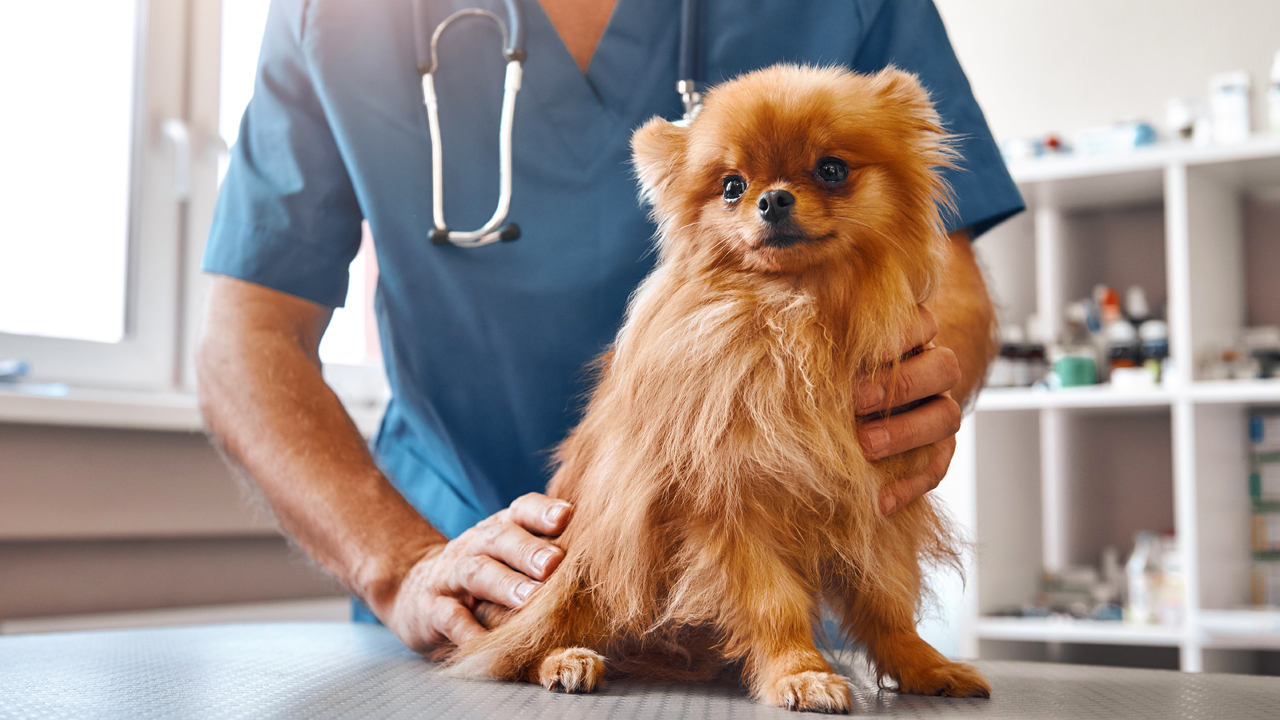
People like to say that there are no irrefutable truths in life, but they are wrong. There is one undeniable fact of the universe: dogs hate going to the vet with all of their being. It’s uncanny how they are able to pick up on their destination without any tangible clues. They seem to have a sixth sense about these things that proves their intuitive nature.
Of course, as interesting as it is that they inherently sense their impending checkups, it’s also heartbreaking to witness the dawn of understanding in their eyes when they put it all together. The shaking. The panting. The frantic pacing to and fro. Their certainty of their destination is only matched by their uncertainty that they will ever make it back home. And why shouldn’t they be nervous? The vet’s office is full of strange smells, slippery floors, scary sounds, and uncomfortable tables and cages. The existential dread is palpable.
Thankfully, your pup has an advocate… You! Your job is to reassure them that this is only a temporary break from their regularly scheduled naps and petting sessions and that they will be returning to domestic bliss within just a few short hours. Here’s how!
Familiarize Your Dog With the Vet’s Office
Vets and their staff love their jobs. They love their jobs because they love animals, and working in a veterinary office allows them the opportunity to spend tons of time with the creatures they adore so much. Therefore, why not bring in your pooch for occasional visits just for fun? The staff will be happy to see your dog and will understand and applaud your efforts to familiarize them with the uncertain surroundings. Let the staff interact with your pup, giving him treats and belly rubs, to create a more personal relationship. This way, your dog might actually come to see the vet’s office as a desired vacation destination rather than a prison sentence.
Touch Your Dog Everywhere, Everyday
Part of what makes dogs so uncomfortable with visiting the veterinarian is that they aren’t used to being poked and prodded in unfamiliar places, such as their ears, their paws, and their mouths. The best way to mitigate the shock of being touched in these spots is to do so on a regular basis, especially when gently roughhousing or when they feel relaxed and at ease. It’s probably not wise or beneficial to just start grabbing at them out of the blue; it will actually likely only increase their anxiety.
The more used to being touched all over in a loving and gentle way, the less inclined your dog will be to view this experience as invasive. An added benefit of regularly touching your pooch all over their furry little bodies is that you could potentially notice any irregular bumps, spots, or tenderness that you would likely miss otherwise.
Handle Your Dog Often
When performing their examination, veterinarians must handle the animals that they are treating in ways that might seem unusual to the animal. Most of them are already nervous about this strange, scary place, but when the vet starts leaning over them, holding them down, or picking them up, they can become downright terrified. As with adjusting your pup to new touch, you can also help familiarize them with being handled oddly during play time. In a safe place, try approaching your dog from different angles or bending over them from unique positions. If you’re giving them a good belly rub, try doing so from different vantage points. The key is to make your dog feel safe and comfortable no matter how they’re being handled or who is handling them. Goofing around with them and trying a variety of playful positions and holding techniques will teach them that there is nothing to fear from their humans.
Muzzle Practice
Even if your dog isn’t a biter, there is still the potential that they could lash out when scared or when touched in a sensitive area. To keep everyone safe, sometimes vets may insist that the dog they are examining wear a muzzle. If this is the case, it’s better that your dog is used to the idea. From an early age, put their muzzles on occasionally and adjust them to fit securely and comfortably. Reward them with a walk or a treat or a good belly rub. This way, they will come to see their muzzle as an opportunity for something positive.
Crate Training
It’s also smart to get your dog used to being in a crate in case they are asked to stay overnight. Dogs are territorial creatures, and holding dominion over their crates puts them at ease. They understand that these portable huts are safe, secure places, and being in one on the drive to the vet should help them relax. Plus, crate trained dogs are naturally more relaxed and willing to follow direction.
A trip to the vet shouldn’t be seen as a punishment, and giving into your dog’s anxiety by lashing out or becoming hostile toward them is guaranteed to make things worse. Train them to wear a muzzle, sleep in a crate, be touched all over, and handled in a variety of ways, and everything should turn out just fine. Your dog will never love their trip to the vet, but they will gradually come to see it as just another mild inconvenience in their largely spoiled existence.
Puppies.com is your trusted puppy platform for Paws-itive Puppy Love! Since 2003, Puppies.com has helped millions of puppies find their fur-ever homes from sellers nationwide. Finding your perfect pup is free and easy–and signing up only takes a few minutes.
Add a little wiggle to your life!®